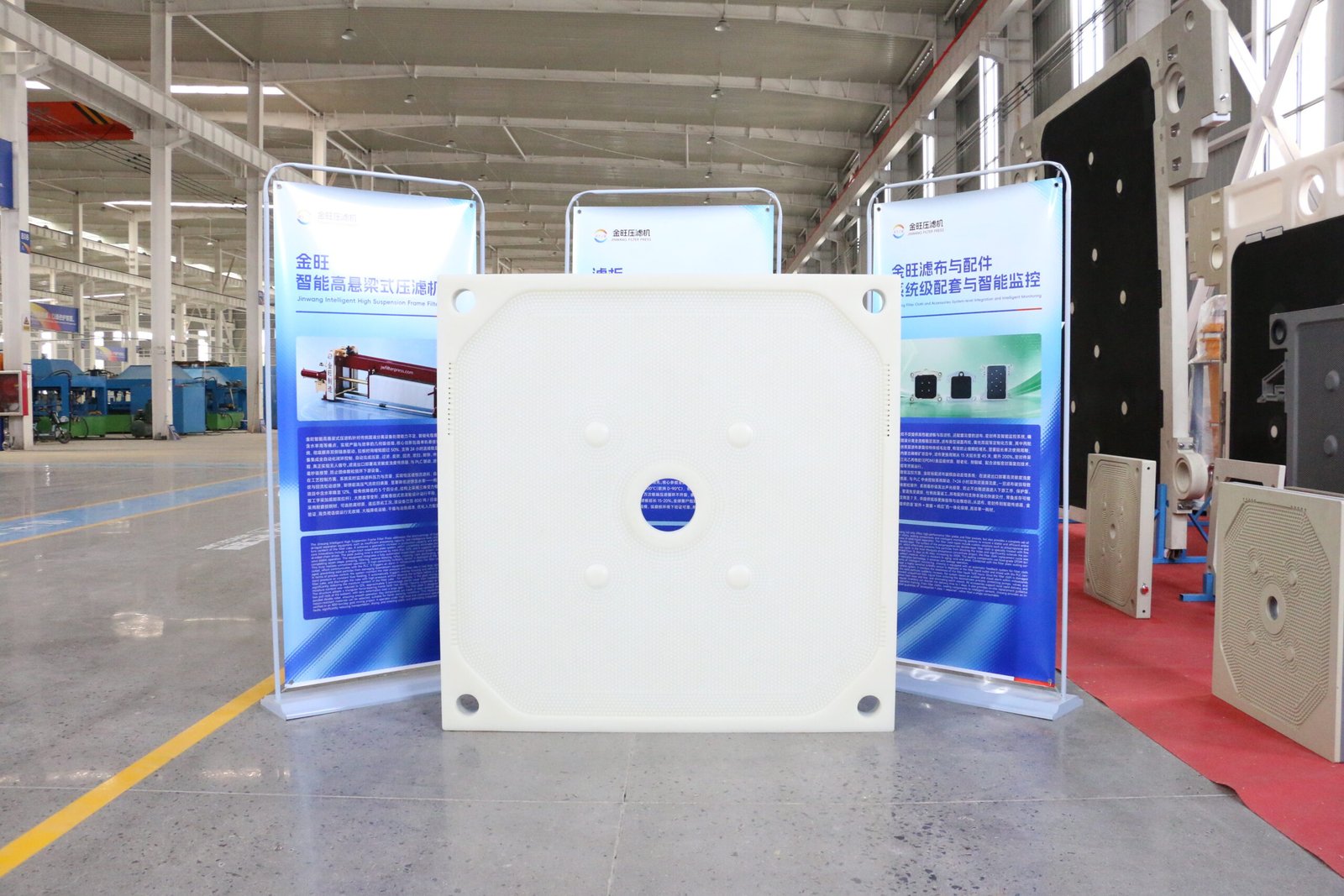
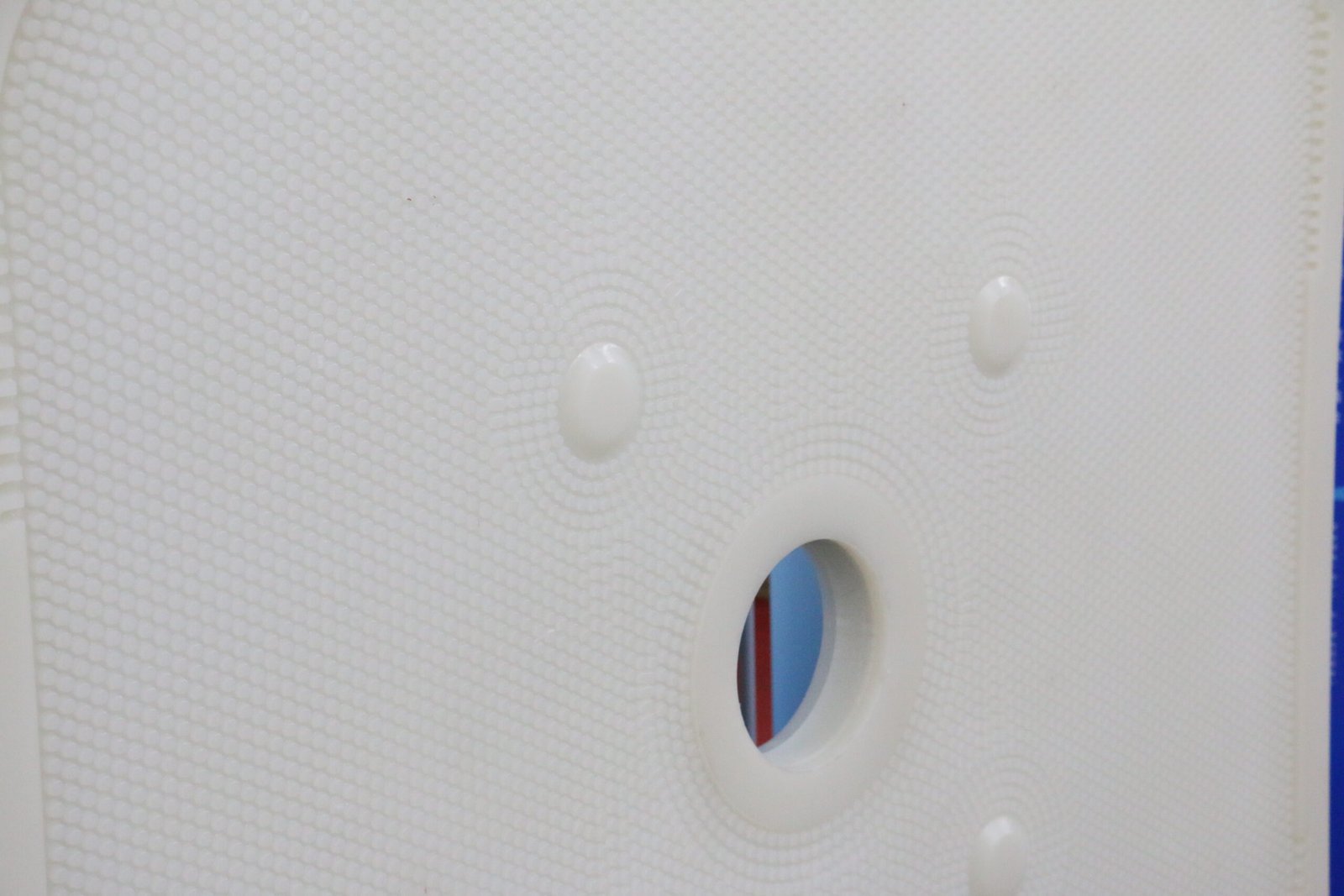
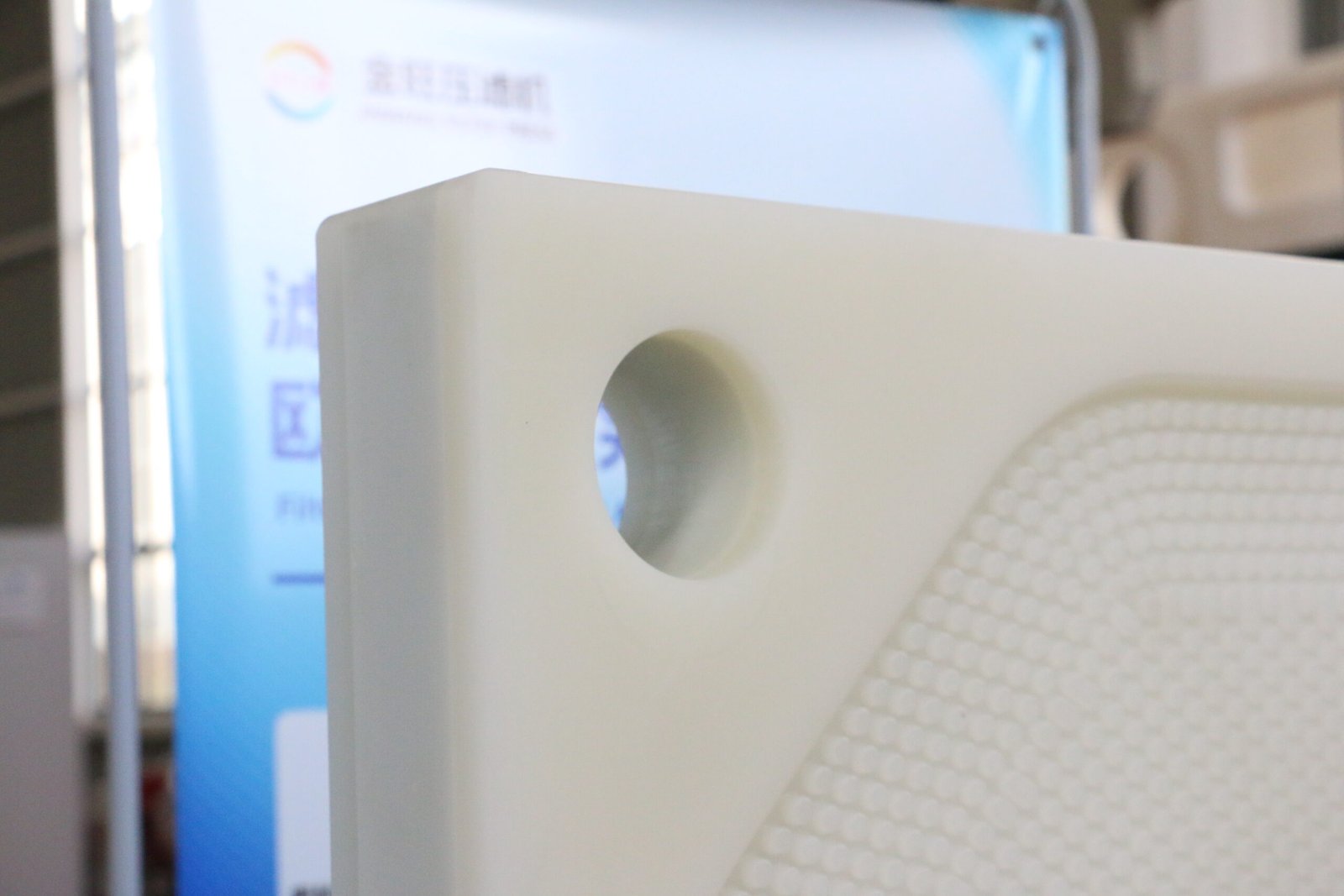
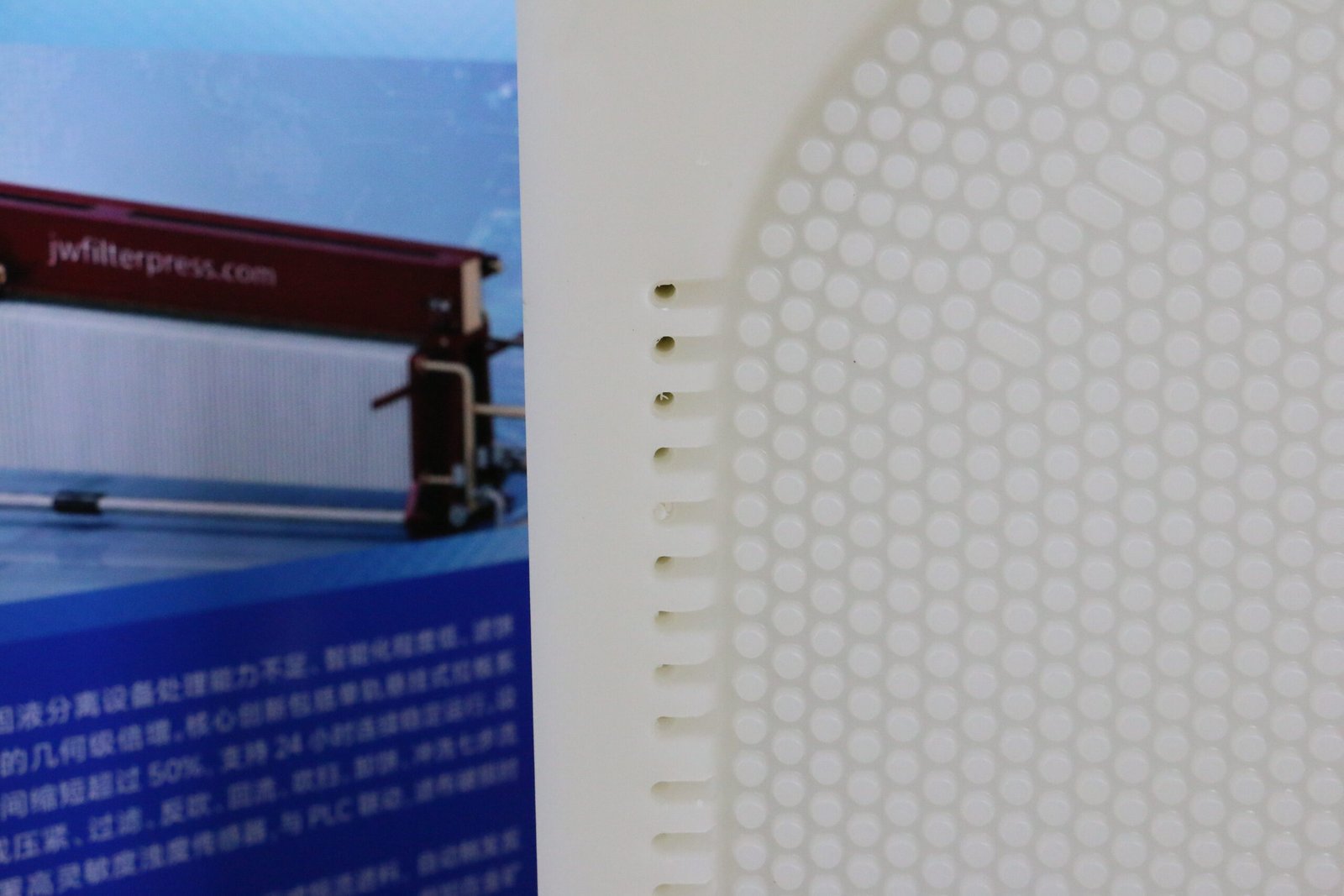
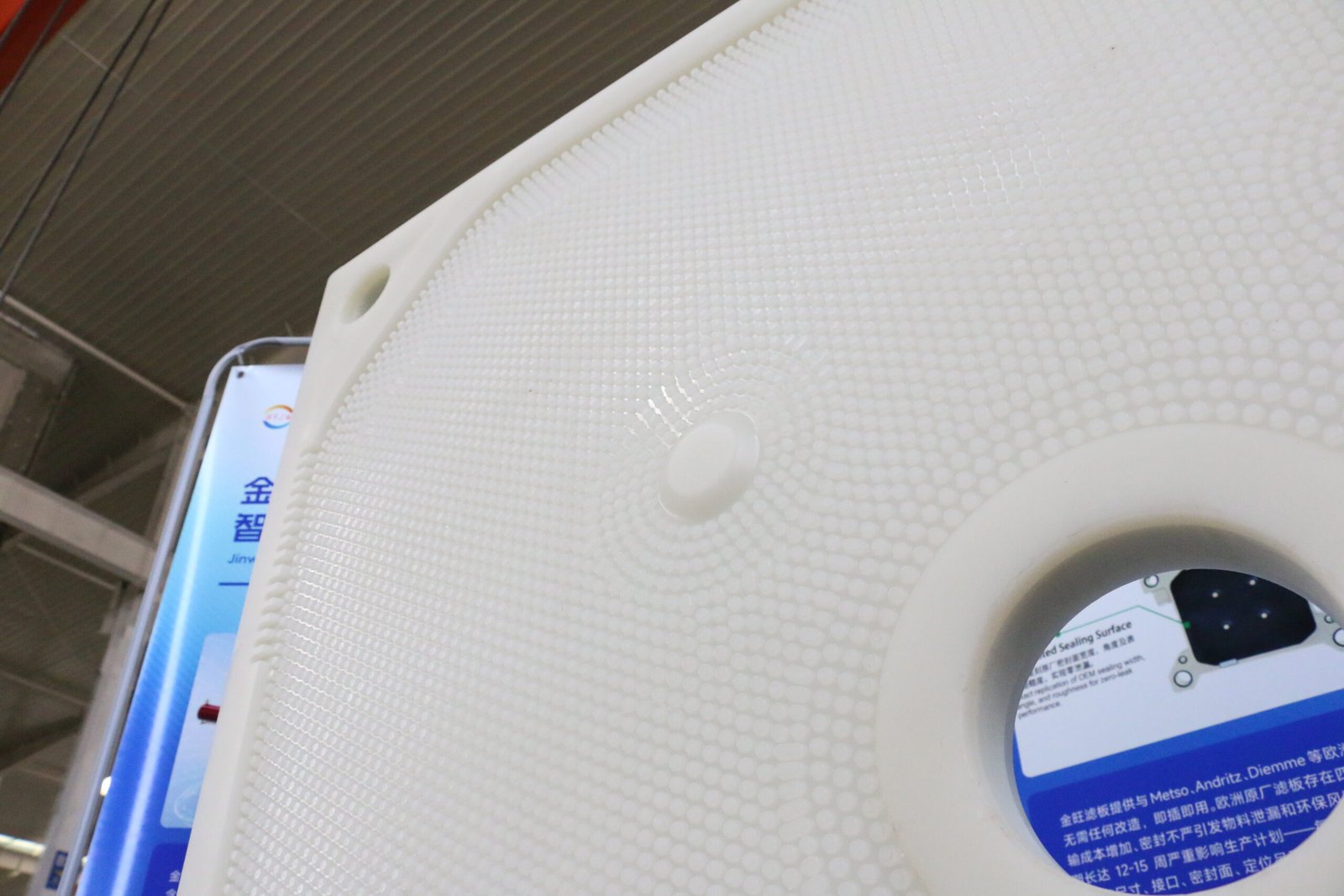
1500×1500 Food-Grade Membrane Filter Plate

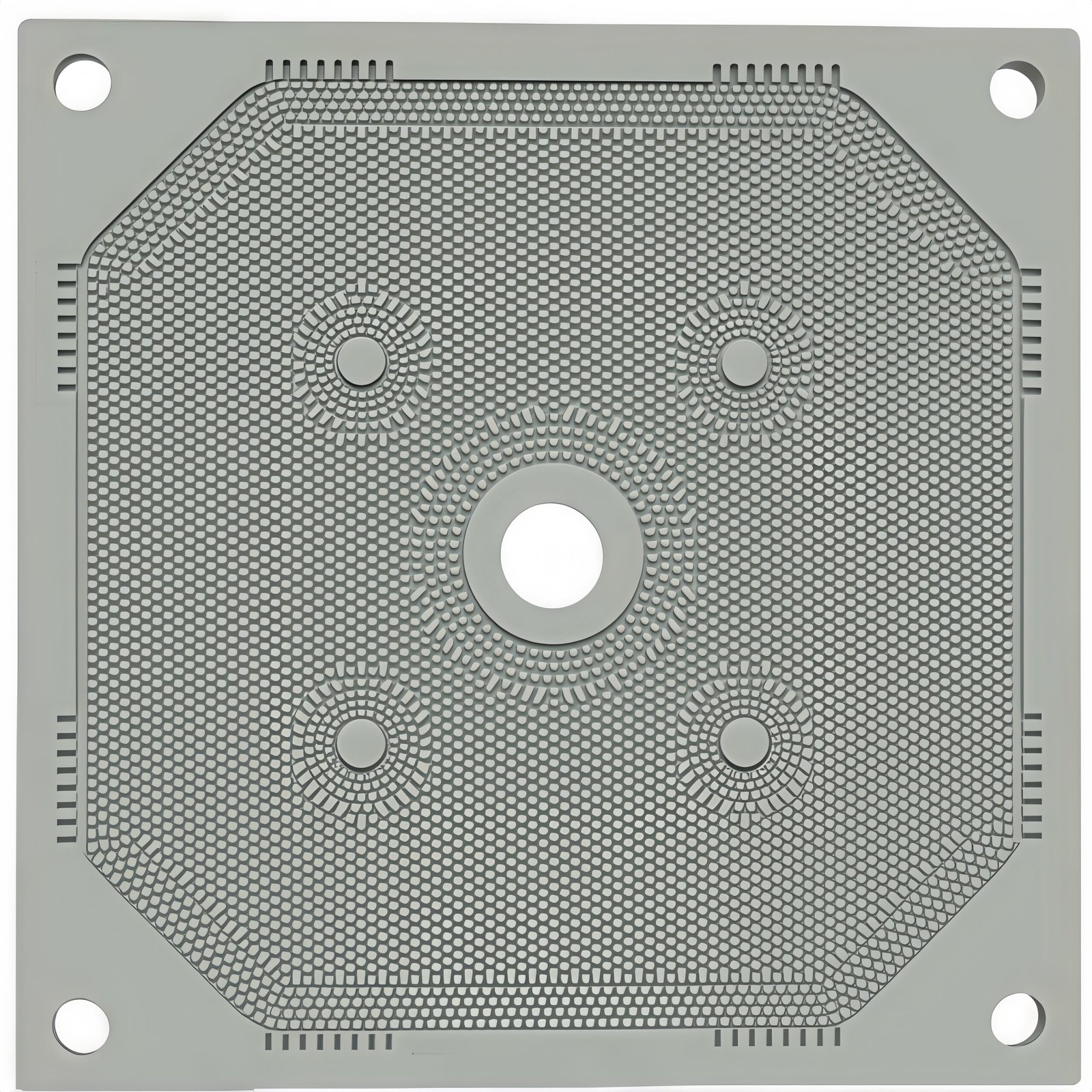
The Jinwang 1500×1500 Food-Grade Membrane Filter Plate is designed for hygienic solid-liquid separation in food, beverage and other sanitary processing applications. Made with food-contact-compatible materials and precision manufacturing, the membrane plate provides additional mechanical pressing to improve dewatering efficiency and reduce filter cake moisture.

Product Overview

The Jinwang 1500×1500 Food-Grade Membrane Filter Plate is specially developed for food, beverage and sanitary filtration applications where product purity, hygienic design, reliable sealing and efficient solid-liquid separation are critical.

Compared with conventional chamber filter plates, the membrane plate provides an additional mechanical pressing stage after the primary filtration process. Pressurized water or compressed air is introduced into the diaphragm chamber, causing the flexible membrane to expand and compress the filter cake evenly.

Within a typical 2–5 minute membrane pressing stage, additional filtrate can be removed from the cake, helping reduce residual moisture and improve overall filtration efficiency.

Hygienic Design for Food Processing

For food-contact applications, material selection and manufacturing cleanliness are particularly important.

The 1500×1500 food-grade membrane filter plate can be configured with food-contact-compatible polypropylene and suitable membrane materials, according to the specific product, regulatory requirements and filtration process.

The plate structure is designed to provide:

  • Hygienic and easy-to-clean surfaces
  • Stable sealing performance
  • Good chemical resistance
  • Low material contamination risk
  • Reliable operation under repeated filtration cycles
  • Compatibility with food and beverage filtration processes

Working Principle

During the initial filtration stage, the feed slurry enters the filter chambers and solids are retained by the filter cloth to form a filter cake.

After the chamber is filled:

  1. The filtration stage is completed.
  2. Pressurized water or compressed air enters the membrane cavity.
  3. The flexible diaphragm expands and compresses the filter cake.
  4. Additional liquid is forced through the filter cloth.
  5. The cake becomes denser and contains less residual moisture.
  6. The membrane pressure is released before cake discharge.

This secondary pressing process allows the filter press to achieve better dewatering performance without relying solely on the feed pump pressure.

Key Advantages

Food-Grade Material Options
Materials can be selected according to food-contact requirements and the characteristics of the processed product.

Efficient Cake Dewatering
The diaphragm provides additional mechanical pressure to remove more liquid from the filter cake.

Large Filtration Capacity
The 1500×1500 format is suitable for large-scale food and beverage processing operations.

Hygienic Operation
The plate can be configured for applications requiring frequent cleaning and strict hygiene requirements.

Reliable Sealing
Precision-machined sealing surfaces help minimize leakage and maintain stable filtration performance.

Customized for Different Processes
Membrane pressure, plate configuration, feed port, sealing design and filter cloth can be selected according to the specific food-processing application.

Typical Food & Beverage Applications

The 1500×1500 Food-Grade Membrane Filter Plate can be used in solid-liquid separation processes involving:

  • Fruit juice
  • Wine and beverage processing
  • Edible oil filtration
  • Starch processing
  • Sugar processing
  • Plant-based food processing
  • Fermentation products
  • Food-grade wastewater and sludge
  • Other sanitary solid-liquid separation applications

Technical Specifications

ItemSpecification
Product TypeFood-Grade Membrane Filter Plate
Plate Size1500×1500 mm
Plate MaterialFood-Contact-Compatible PP
Membrane TypeFlexible Diaphragm
Pressing MediumWater / Compressed Air
Typical Pressing Time2–5 minutes
Working PressureCustomized according to process
ApplicationFood, Beverage & Sanitary Filtration

Customized Food-Grade Filtration Solutions

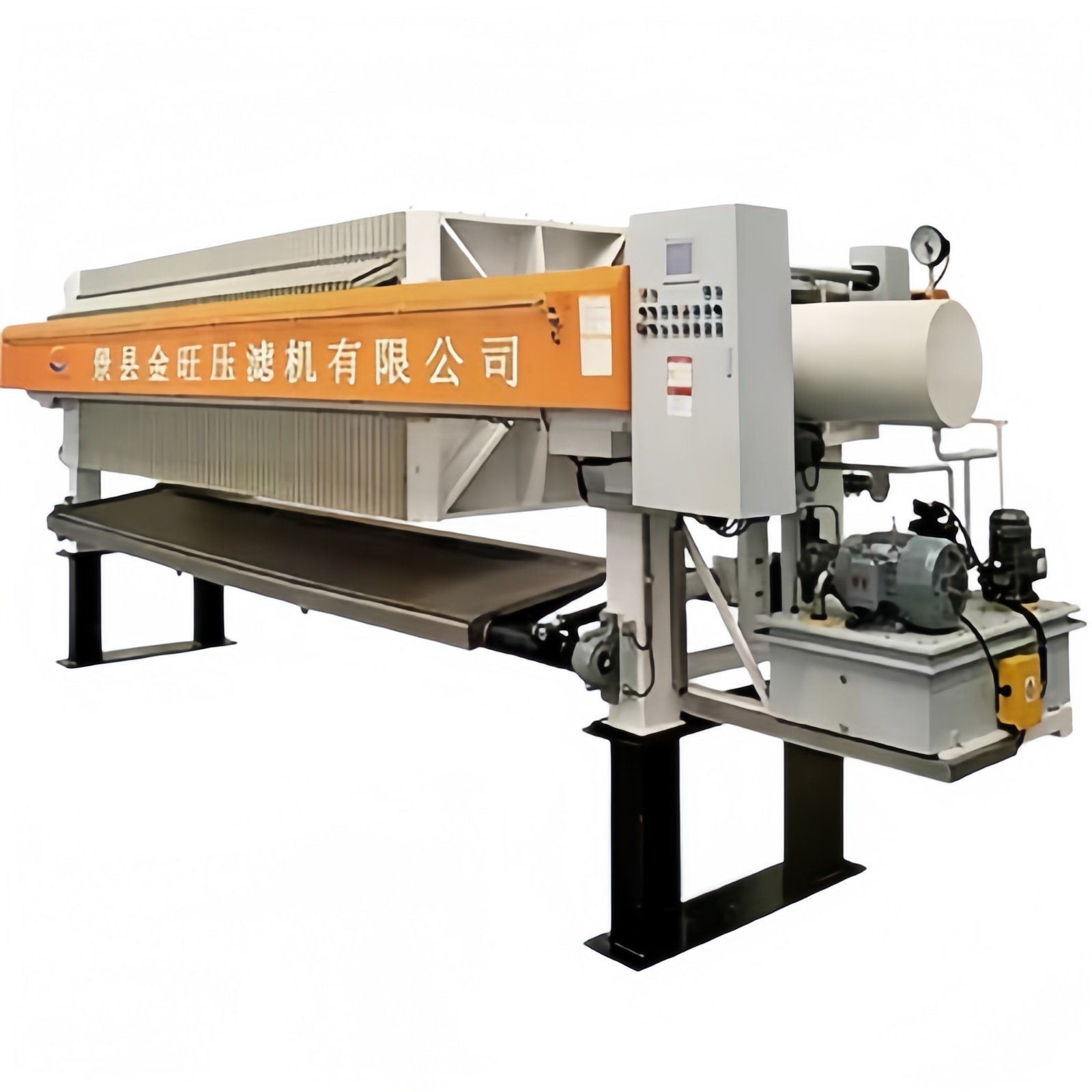
Jinwang can customize 1500×1500 food-grade membrane filter plates according to the customer’s filter press model, feed characteristics, required filtration capacity, cake moisture target and hygienic requirements.

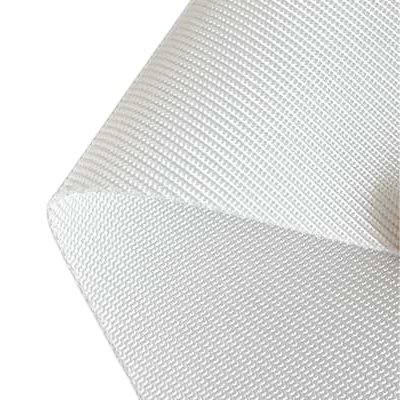
For food and beverage applications, the complete filtration system—including filter plates, membranes, filter cloths, seals and cleaning configuration—can be selected as an integrated solution.

Jinwang — Food-Grade Filter Plates for Hygienic, Efficient and Reliable Solid-Liquid Separation.

Customer Reviews

“Ordering directly from this manufacturer saved our company considerable costs. The build quality of both the filter press and replacement plates is exceptional, and shipping was prompt and reliable.”

Rated 5 out of 5

Martin Smith

Food & Beverage Factory Owner

“We upgraded to their automatic filter presses last year. The moisture content in our filter cakes decreased significantly, and the continuous operation has noticeably boosted our daily plant efficiency. Highly recommended!”

Rated 5 out of 5

Shelly Barns

Project Manager

“The customized filter plates fits our existing frames perfectly. Even under high-pressure conditions, they show outstanding durability and zero leakage. Their engineering team really knows solid-liquid separation technology.”

Rated 5 out of 5

Jacob Luke

Chemical Enterprise Owner

Frequently Asked Questions

Our manufacturing facility is directly located in Jing County, Hengshui City, Hebei Province, China.

Key parameters for moisture reduction include:

– Increasing feed pressure (adjustable range: 0.8–2.0 MPa)

– Activating membrane squeeze (secondary compression reduces moisture by 5–10%).

– Extending the air-blowing time via the PLC control system.

– Optimizing mesh size (800–1,200 mesh is recommended for fine particles).

The processing capacity of a JW filter press depends on the chamber volume, the number of filter plates, and the effective filtration area. We calculate capacity using the following formula:

Processing Volume (m³) = Chamber Volume × Cycles per Hour × Operating Time.

Selecting a model requires analyzing material properties (e.g., solids content and particle size distribution) and process requirements (e.g., open-discharge vs. closed-discharge design). Please contact our engineering team with your material specifications for a customized recommendation.

– Polypropylene (PP): Suitable for weak acids and alkalis (pH 1–12). Cost-effective. Temperature resistance up to 80°C.

– Rubber: Ideal for abrasive slurries (e.g., mining tailings) due to its high wear resistance.

– Stainless steel (304/316L): Resistant to highly corrosive media (e.g., chlorides and organic acids) with a temperature tolerance of up to 150°C.

JW provides material corrosion resistance test reports upon request for validation.

The lifespan of filter cloth depends on the characteristics of the material (e.g., viscosity and particle sharpness) and cleaning frequency. We recommend the following practices:

– Apply backflushing combined with ultrasonic cleaning to restore permeability.

– Use dual-layer composite cloths (e.g., polypropylene and polyester) in high-abrasion environments.

The standard replacement interval is 3–6 months. For enhanced anti-clogging performance, PTFE-coated filter cloths are available as an optional upgrade.

Our sample production time is estimated at approximately fifteen to twenty business days total.

Leakage: Check the alignment of the filter cloth edges, ensure the hydraulic pressure meets or exceeds the rated value (e.g., 25 MPa), and inspect the sealing surfaces for wear.

– Plate misalignment: Calibrate the levelness of the thrust plate, lubricate the guide rods, and troubleshoot the hydraulic cylinder synchronization, which may require recalibrating the displacement sensor.

Automatic filter presses feature:

– Fully automatic plate-shifting system (servo motor driven with positioning accuracy of ±0.5 mm).

– High-pressure washing arms for 360° online cloth cleaning.

– A smart HMI panel for presetting pressure, cycle time, and fault diagnostics.

Compared to manual models, automation reduces labor requirements by up to 90% and increases efficiency by over 30%.

Yes. Available solutions include:

– Steam-heated filter plates (temperature uniformity ±3°C).

– Stainless steel plates with EPDM seals (resistant up to 150°C).

– For aggressive media (e.g., hydrofluoric acid): PVDF-coated plates or titanium alloy construction.

Please provide the chemical composition of your process fluid for a customized anti-corrosion design.

Routine Maintenance: Replace hydraulic oil every 2,000 operating hours (ISO VG46 grade) and lubricate guide rods weekly with lithium grease.

Overload Protection: Avoid exceeding rated feed pressure; we recommend installing pressure sensors for automatic shutdown.

Corrosion Prevention: Flush chambers thoroughly with water after shutdown to prevent scaling and residue buildup.